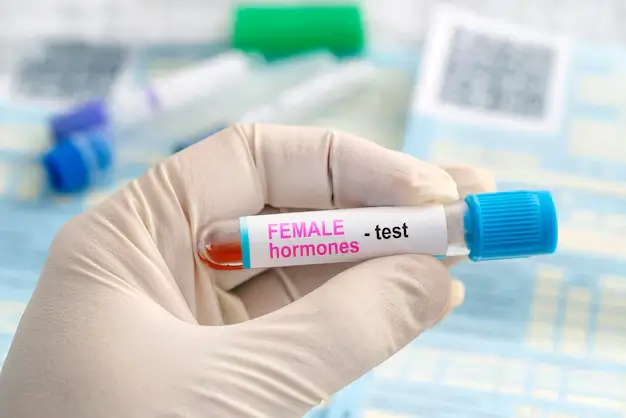
When you’re already dealing with things like night sweats, brain fog, and feeling completely off your game, the last thing you want is inaccurate hormone test results messing with your next steps. That’s where good storage habits come in. Think of your hormone test kit like fresh food from the grocery store. You wouldn’t leave milk sitting on the counter for days, right? How and where you store your test kit matters just as much. It helps keep the results accurate and your plans on track.
If you’re thinking about starting BHRT or already adjusting your dose, a home hormone test can offer valuable insight. But improper storage can affect how well that test reads your hormone levels. Even something simple like tossing the kit in a steamy bathroom drawer or forgetting it in a hot car can throw off the results. Keeping your kit safe and stored right helps avoid delays and frustrations during a time when answers matter most.
Hormone test kits are the first step for many women learning what’s going on with their bodies. These kits give you a snapshot of hormone levels during perimenopause or menopause, including estrogen, progesterone, and sometimes cortisol or thyroid levels. If you’re feeling more tired than usual, having trouble sleeping, or your mood feels all over the place, testing can give you some much-needed answers.
Most home hormone test kits come with detailed instructions, collection tools like saliva swabs or finger-prick blood tests, and a prepaid envelope to send off your sample. At-home kits are meant to be easy and convenient. You can do them on your own schedule without going in for lab work or juggling appointments.
Some hormone test kits are specifically aimed at those starting BHRT and include the most relevant hormones to help guide care. Other kits might focus on stress, thyroid, or adrenal function. What they all have in common is how much they rely on quality handling and storage to stay accurate. If a kit is outdated or stored incorrectly, the results might be skewed or unreadable. For women going through hormone shifts, that wasted time can feel particularly frustrating.
Correct storage of hormone test kits doesn’t require anything fancy, but it does mean being a little mindful. Kits are sensitive to heat, moisture, and even light exposure. If you’re keeping one at home, avoid places like bathrooms, window areas, cars, or anywhere the temperature tends to spike. Some women leave them on their kitchen counter near a coffee machine, but constant heat or humidity from cooking can quietly damage the components.
Here are some easy rules to follow:
– Store the test kit in a dry place with a moderate, stable temperature
– Keep it out of direct sunlight
– Avoid leaving it in the car, even if it’s not hot out
– Don’t store it in bathroom medicine cabinets where steam and moisture collect
– Use a dresser drawer, closet shelf, or nightstand for safe, stable storage
If the kit includes a sample collection device that needs to be stored in your fridge after use, follow those instructions closely. Waiting too long to mail off a collected sample or freezing something that shouldn’t be frozen can mess up the process. When in doubt, follow the directions that come with the kit and keep everything in a calm, low-humidity space until you’re ready to use it. Getting this part right helps ensure your results are reliable so you’re not left guessing when trying to find hormonal balance.
Every hormone test kit has an expiration date, even though it might not be the first thing you look for when opening the box. That small label with the date is actually pretty important. The shelf life on these kits tells you how long the components inside will stay reliable. After that date, there’s no way to guarantee the test will work the way it’s supposed to. For women tracking their progress with BHRT or just trying to figure out why they feel off, using an expired kit is like trying to listen to music through broken headphones. You’re not going to get a clear signal.
Most kits last anywhere between several months to over a year, depending on how they’re made and the components inside. But those timelines only hold up if the kit has been stored correctly. If it’s been left in the heat or around moisture, the shelf life starts shrinking fast, even if the date on the box says it’s still okay.
Here’s how to make checking expiration dates part of your routine:
– Look for the printed expiration date when your kit first arrives
– Write it down somewhere noticeable if you’re not using the kit right away
– If the date has passed, don’t use it
– If the kit’s been kept in less-than-ideal conditions, consider replacing it even if the date hasn’t passed
– Don’t assume an unopened box is always okay to use. Double-check first
With a good test kit, you can get a clearer look at what’s really going on with your hormones. That kind of info can make it easier to figure out a plan if you’re feeling tired, irritable, or just not like yourself.
If you realize your test kit was sitting in a hot car for a few days or lived under your bathroom sink with the blow-dryer heat for months, don’t panic. But do pause. Using a damaged or expired kit may only cause more confusion down the road. The time you spend waiting for results might end with a call saying the sample couldn’t be processed, or worse, inaccurate numbers that leave you making choices based on fuzzy data.
If you’re ever unsure about the condition of a kit before using it, here’s what to do next:
– Double-check the packaging. If it feels warped, discolored, or oddly sticky, that’s a red flag
– Revisit the storage instructions included with the kit and compare where it’s actually been kept
– If you’ve collected a sample but forgot to mail it within the suggested timeframe, it’s safer to redo it
– Don’t try to salvage a damaged kit. Getting a replacement just saves everyone time and stress
– If you’re unsure, reach out to the support team listed with the kit instructions for guidance
Hormone test kits are designed to make the whole process easier, but they only work well when the contents are safe to use. Trust your gut. If something seems off, it probably is.
Getting accurate hormone test results doesn’t need to be complicated, but the small stuff matters. Whether the kit is just sitting in a drawer for a week or you’re in the middle of tracking progress with BHRT, keeping it in the right environment and using it within the shelf life timeline can make a real difference. You wouldn’t want your doctor pointing you in the wrong direction because of unreliable numbers.
If you’re already dealing with low energy, mood changes, or sleep that’s completely out of sync, you deserve answers that are clear and trustworthy. Something as small as reading the expiration date or choosing a better storage spot could keep your care plan moving smoothly without unnecessary backtracking. Little choices can protect the time and effort you’re putting into feeling better and getting your spark back.
A fresh, properly stored hormone test kit gives you a better shot at honest answers. So treat it like something important, because it is. Making space in your routine to care for your health in this way can help move you closer to feeling steady, strong, and more in tune with your body.
When you’re ready to explore personalized solutions and want to make sure you’re using reliable tools that support your wellness goals, take a closer look at our starter hormone test kits at HormoneBliss. They’re designed to give you helpful insight into your hormonal health so you can move forward with more clarity and confidence.

Dr. Tammy is a renowned expert in women’s health with over twenty years of experience, specializing in personalized bio-identical hormone replacement therapy (BHRT). She is dedicated to helping women navigate menopause using natural, individualized solutions to restore hormonal balance and enhance vitality. A trusted leader in the field, her compassionate care and innovative treatments have transformed countless lives.
Aging involves a natural decline in key hormones, which can affect your health in many ways. Reclaim your vitality by trying bioidentical HRT. It’s a way to address the noticeable symptoms—like mood swings, fatigue, and hot flashes—as well as the silent, long-term health concerns you might not recognize.