This frequently asked questions (FAQ) page is designed to provide quick and easy answers to your most common questions. We’ve organized everything into clear sections to help you find the information you need as quickly as possible. If you can’t find what you’re looking for, please feel free to contact our support team for more assistance.
The difference between bio-identical hormones and synthetic hormones is dual fold. Unlike bio-identical hormones, synthetic hormones may be patented by pharmaceutical companies; therefore dosage varies only by milligrams dictated by your doctor, while the molecular structure of the prescribed hormone is the same for every single person on that drug. Additionally, synthetic hormones are not created structurally the same as human endogenous hormones, which often leads uncomfortable side effects. While synthetic hormones can mimic the effects of endogenous hormones on certain biological pathways, they rarely offer the same effectiveness at a deeper, molecular level.
Bioidentical hormones mimic the affinity of human endogenous hormones; therefore they are effective on more biological pathways, at all levels. Because bioidentical hormones are an exact structural replica of endogenous hormones side effects are rarely observed, and in the event you do experience side effects, talk with your doctor – the dosage may simply need to be adjusted. The added benefit of bioidentical hormones is that each dose is tailored specifically for your needs, not simply what dose the pharmaceutical company offers (as is the case with synthetic hormones.)
Bioidentical hormones are designed to mimic your body’s natural hormones. They’re made from natural sources, like plants, and are structurally identical to the hormones your body already produces. This means your body knows exactly what to do with them, so they’re often better tolerated and can bring your system back into balance without introducing anything unfamiliar.
Synthetic hormones, on the other hand, are chemically altered substances often made from petrochemicals. Because their structure doesn’t match your body’s natural hormones, they don’t always “fit” as well into your body’s hormone receptors. This mismatch can lead to side effects, and some synthetic hormones can produce endocrine-disrupting byproducts. These byproducts can interfere with your body’s delicate hormonal balance, potentially causing more problems than they solve.For example, when synthetic hormones are taken in oral forms, they can increase the risk of clotting and other complications. This is one of the main reasons behind the fear narrative around hormones in general—it’s not hormones that are the problem, but the synthetic, non-bioidentical versions that disrupt the body’s natural processes.
The beauty of bioidentical hormones is that they work with your body, not against it, offering a safer, more natural approach to hormone replacement therapy. They can help ease menopause symptoms, support weight loss, improve mood, and prevent disease—without introducing those harmful byproducts. If you’ve ever felt hesitant about hormone therapy, rest assured: with bioidentical hormones, we’re focusing on giving your body what it truly needs to thrive, in the safest and most natural way possible.
Hormone imbalances often start off as small inconveniences—things like occasional mood swings, trouble sleeping, or unexpected weight changes. At first, these might feel like everyday stressors or “just getting older,” but over time, they can grow into more significant issues that impact your quality of life.
What makes it tricky is that hormone imbalances can mimic a lot of other conditions, such as:Depression or anxiety (because hormones play a big role in mood regulation)Fatigue (when your hormones are out of sync, your energy can plummet)Metabolic issues like weight gain, insulin resistance, or even high cholesterolHeart-related symptoms like palpitations or changes in blood pressureIf you’ve been struggling with symptoms like these but haven’t found the answers, it might be time to consider your hormones as the root cause.
The good news is, determining if your symptoms are hormone-related is simple! It starts with a lab test—something as easy as a saliva, blood, or urine test. These tests can pinpoint specific imbalances, like low estrogen, progesterone, testosterone, or thyroid hormones, giving us the insights needed to create a personalized plan to help you feel better. So, if you’re feeling off and can’t quite put your finger on why, don’t ignore it. Your body is trying to tell you something, and we’re here to help you listen. The first step is lab testing!
The base cream includes: Purified Water, Plant (Kosher) Glycerin, Aloe vera leaf gel, caprylic triglyceride, stearic acid, olive oil, coconut oil, shea butte, sunflower, lecithin, stearyl alcohol, Isopropyl palmitate, allantoin, sodium bicarbonate, herbal active oil blend. Organic: Additionally, based on need the creams will include: Bioidentical micronized DHEA (USP), Bioidentical micronized, Estradiol (USP) Bio-identical micronized Estriol (USP) Bio-identical micronized Progesterone (USP) Oil based sublingual formulas have only 3 ingredients – MCT oil, Vitamin E and the USP hormone.
Bio-identical Bi-est, Bio-identical Progesterone, Bio-identical DHEA, Vitamin D3 , K2, MSM, Coconut Oil, Olive Oil, Aloe Vera, and Lecithin. Our creams are optimized for maximum bioavailability. Made in the USA in a Kosher and FDA inspected facility. Contains NO harmful preservatives
Unbalanced hormones can pose a threat to your health and if not corrected may lead to conditions such as Diabetes, Cardiovascular disease, Alzheimers, chronic pain, inflammation, osteoporosis and cancer. When your hormones are out of balance, it can feel like your body is working against you.
Hormones are like messengers that help regulate almost every function in your body, so when they’re off, the effects can show up in ways you might not expect. Here are some common conditions and risks linked to unbalanced hormones.
Physical Symptoms and Conditions: Weight Gain and Metabolic Issues. Hormonal imbalances, especially with insulin, thyroid, or cortisol, can lead to difficulty losing weight, insulin resistance, or even Type 2 diabetes.
Fatigue and Low Energy: Low levels of hormones like thyroid, testosterone, or cortisol can make you feel constantly tired or drained, no matter how much rest you get.
Sleep Problems: Hormones like progesterone and melatonin are key to restful sleep. When these are low, you may struggle with insomnia or waking up feeling unrested.
Menstrual Irregularities or Infertility: Imbalances in estrogen and progesterone can cause irregular periods, heavy bleeding, or even difficulty conceiving.
Hair Loss and Skin Changes: Hormone fluctuations can lead to thinning hair, brittle nails, and skin issues like acne or dryness.
Bone Loss: Low estrogen can increase the risk of osteoporosis, leading to weak and brittle bones over time.
Emotional and Mental Health Symptoms: Anxiety and DepressionHormones like estrogen, progesterone, and serotonin are closely connected to mood. Imbalances can lead to increased feelings of anxiety, irritability, or depression.
Brain Fog and Memory Issues: Low levels of estrogen, testosterone, or thyroid hormones can make it hard to concentrate, think clearly, or recall information.
Long-Term Health Risks: Heart DiseaseUnbalanced hormones, particularly low estrogen, can increase the risk of heart conditions by affecting cholesterol levels and blood vessel function.
Insulin Resistance and Diabetes: Chronically high cortisol or imbalances in estrogen and testosterone can contribute to insulin resistance, a precursor to diabetes.
Thyroid Disorders: Imbalances in thyroid hormones can lead to hypothyroidism or hyperthyroidism, both of which affect metabolism, energy, and overall health.
Cognitive Decline: Long-term hormonal imbalances may increase the risk of Alzheimer’s disease or other forms of cognitive decline as you age.
Why It’s Important to Act: The good news? Hormonal imbalances can often be corrected with lifestyle changes, targeted supplements, or bioidentical hormone therapy. Early detection is key to managing symptoms and preventing long-term risks.If you’re experiencing symptoms that don’t feel “normal” or that are interfering with your quality of life, it’s worth checking your hormone levels. A simple lab test is the first step to identifying imbalances and creating a plan to restore your health.
The only way to know if you need bioidentical hormone replacement therapy is through specific laboratory testing. There are specific lab panels available to determine if your hormones are imbalanced.
Signs and symptoms of imbalance may include, but are not limited to fatigue, depression, hair loss, weight gain, muscle atrophy, low energy levels, insomnia, mood swings, hot flashes, night sweats, and anxiety. In many cases, hormone imbalances can occur with expected changes in the lifespan, such as menopause related osteoporosis, heart disease and cognitive changes which can lead to dementia and more.
Following lab testing, a trained expert will review your results to determine if BHRT is right for you. In some cases, BHRT may not be necessary; however lifestyle and environmental factors may change this need over time, so routine testing, along with a preventive health lifestyle is recommended to keep hormones balanced and maintain optimal health.
Your body’s natural hormone levels start to decline as early as your mid-20s, and by your mid-30s, symptoms of hormone imbalance often begin to show up. These might include things like fatigue, mood swings, weight gain, trouble sleeping, or changes in libido—signals that your body’s hormones may need support.Many women choose to start hormone therapy between the ages of 35 and 40, but the timing really depends on your unique symptoms and needs. If you’re already experiencing signs of hormone imbalance, it’s best not to wait. The sooner you address the imbalance, the sooner you can start feeling like yourself again and protect your long-term health.
Remember, hormone therapy isn’t just about relieving symptoms—it’s also about preventing future issues like bone loss, heart disease, and cognitive decline. Taking action early allows you to stay vibrant, energized, and thriving as you age.If you’re wondering whether hormone therapy might be right for you, let’s start with a simple conversation and a lab test to understand your unique needs. You don’t have to wait for your quality of life to suffer—help is here when you’re ready!
Hormones affect a multitude of pathways in the body. Women may experience fluctuations in their hormone levels throughout the lifespan. Imbalances can occur due lifestyle and environmental factors, as well as expected changes, such as pregnancy, perimenopause, menopause and post-menopause. Imbalances of hormones, including estrogen, progesterone and testosterone can lead to many uncomfortable experiences, like night sweats, hot flashes, mood swings, depression and anxiety.
The most common decline seen in menopausal and postmenopausal women is estrogen. When estrogen levels become unbalanced, women may experience symptoms such as low libido and bone loss. The bone loss that women experience due to declining estrogen levels can lead to osteoporosis and increase the likelihood of bone fractures. Adjustments to a woman’s hormone levels through BHRT and lifestyle changes can reduce or eliminate these discomforts and improve overall health and well-being.
Most patients notice improvements within just a few days of starting the program, especially in areas like better sleep and increased energy levels. While some results may take a little longer to fully develop, every journey is unique, and we tailor the process to your needs. No matter how quickly changes happen, the ultimate goal remains the same—a healthier, more balanced you, ready to thrive!
Sometimes the full benefit of the changes like these take time to evolve. Remember, it took some time for you to lose balance of your hormones, so it will take your body some time to recover. Consistency and compliance every step of the way will improve your results. Most women see results in as little as two weeks, or less!
Many people are under the misconception that bioidentical hormones are not FDA-approved. This is simply not the case. The hormones derived from plant sources, such as soy and yams, which are approved by the FDA, however the methods of delivery and custom doses are not. Bio-identical hormones may be delivered in the form of creams, patches, pills, gels, pellets or vaginal rings. Bio-identical hormones are designed in a lab and shipped to a compounding pharmacy where they are custom designed to fit the needs of each patient. Synthetic hormones are created in specific, patented doses and delivery methods (not customized), therefore regulation is possible.
Traditional doctors do not usually have the time or the resources to seek expertise in bioidentical hormones. Our experts undergo extensive training in bio-identical hormone therapy and have specialized knowledge of anti-aging medicine. Commercial doctors often don’t know about or prioritize bio-identical hormones for several reasons, and it boils down to the structure of our healthcare system:
Pharmaceutical Influence: Medical training and continuing education are often driven by pharmaceutical companies, which focus on patented, synthetic hormones rather than natural, bio-identical options. Since bio-identical hormones can’t be patented, there’s less profit for big pharma, so they don’t promote them as heavily.
Medical Education: In traditional medical schools, hormone therapy is taught from a conventional perspective, focusing on synthetic hormones like Premarin or Provera. Bio-identical hormones are seen as “alternative,” and doctors aren’t typically exposed to them in their standard training.
Insurance-Driven Care: Many commercial doctors work in an insurance-based model where quick, protocol-driven treatments are the norm. Bio-identical hormone therapy (BHRT) often requires personalized care, functional testing, and time to get dosing right, which doesn’t fit well into the insurance system’s “quick fix” mentality.
Lack of Research in Mainstream Journals: While there is solid research supporting BHRT, it’s not as widely published in the mainstream medical journals that most doctors rely on. This creates a knowledge gap.Misconceptions: There’s a lingering misconception that all hormones, including bio-identical ones, are dangerous due to older studies on synthetic hormones. Commercial doctors may not be aware of the differences between synthetic and bio-identical hormones, leading to hesitation in using them.
That’s why it’s crucial to empower yourself with knowledge and seek out practitioners, like me, who understand the science behind bio-identical hormones and their benefits for overall wellness.
Yes, estrogen and testosterone work in a perfect balance to fuel your sex drive. Too much or too little of either these hormones can cause a decrease in sex drive or cause performance issues. In some cases, increased levels of cortisol, classically secreted due to chronic stress, can negatively impact the sex hormones and impair your libido.
Testosterone and Sex DriveTestosterone isn’t just a “male hormone”—it’s a vital hormone for women too, especially when it comes to maintaining a healthy libido. Produced in smaller amounts by the ovaries and adrenal glands, testosterone plays a big role in:
Sex Drive and Desire: Testosterone is often referred to as the “hormone of desire” because it directly influences sexual interest and arousal. When levels are optimal, you’re more likely to feel in the mood.
Energy and Stamina: Testosterone helps with overall energy levels, which indirectly supports sexual activity by reducing fatigue and improving overall vitality.
Sensitivity and Orgasm: Healthy testosterone levels can enhance physical responsiveness, making intimacy more pleasurable.When testosterone is low, women may experience:
Decreased sexual interestDifficulty with arousal or lack of responsiveness
Low energy or fatigue that further affects intimacy
DHEA: The Precursor HormoneDHEA (dehydroepiandrosterone) is a hormone produced by the adrenal glands, and it’s often called the “mother hormone” because your body converts it into other hormones, including testosterone and estrogen.
DHEA’s Role in Libido: By contributing to testosterone production, DHEA helps maintain a healthy sex drive. Low levels of DHEA may reduce testosterone availability, leading to a decline in desire and energy.
Other Benefits of DHEA: Beyond its role in sex drive, DHEA supports mood, cognitive function, and even helps with stress resilience—factors that all contribute to a satisfying intimate life.
What Happens When Levels Decline?
Both testosterone and DHEA levels naturally decline with age, often beginning in your mid-30s or early 40s. Stress, chronic illness, and certain medications can also contribute to a faster decline. Symptoms of low testosterone and/or DHEA may include:
Low libidoFatigue and reduced staminaDifficulty building or maintaining muscle tone
Mood swings or irritabilityVaginal dryness or decreased physical responsiveness
How to Support Healthy Levels
Bioidentical Hormone Replacement Therapy (BHRT): BHRT can restore testosterone and DHEA to optimal levels, helping to revive libido, energy, and overall vitality.
Lifestyle Choices: Reducing stress, getting quality sleep, and exercising regularly can naturally support hormone production.
Supplements: In some cases, DHEA supplements can be used to boost precursor hormone levels, but it’s important to work with a professional to determine the right dosage and approach for you.
The Takeaway
Healthy testosterone and DHEA levels are essential for a vibrant sex drive and overall well-being. If you’re feeling a decline in desire or energy, it might be time to explore how balancing these hormones can help you feel like yourself again—strong, energized, and in tune with your body.
Hormones are like stop-lights. When they are balanced the light is green and you will get the optimum results from your nutrition and fitness programs. When they are imbalanced the light is red making it, in many cases, difficult to lose and easy to gain weight.
Hormones are chemical messengers that cause the body to make changes affecting weight gain or weight loss. Changes in hormone levels are also dependent on the lifestyle we lead and can affect our mood, metabolism, and energy levels.
One of the first things you’ll likely notice is that the uncontrollable weight gain stops. That’s a big win right there! While we’re adjusting your hormone levels, there may not be dramatic changes in weight immediately, but over time, as we restore balance, your metabolism will begin to work with you, not against you.
With proper levels of estrogen and testosterone, your body will:Build lean muscle mass, which boosts metabolism and helps your body burn more calories, even at rest.
Enhance fat burning, especially around stubborn areas like the belly, hips, and thighs.That said, hormone therapy is a tool—it sets the foundation for your body to function optimally. But just like when you were younger, achieving or maintaining a healthy weight requires effort. Even balanced hormones can’t outdo poor eating habits or a sedentary lifestyle.
The key is to:
Stay active: Strength training is especially helpful for building muscle and boosting fat burning.
Eat wisely: Focus on nutrient-dense, high-protein meals and avoid excessive sugars or processed foods.
Be patient: As your hormones adjust, your body will gradually start responding more effectively to your efforts.With balanced hormones and a little effort, you’ll find that maintaining a healthy weight is much more achievable.
This journey is about progress, not perfection—and with the right plan, you’re setting yourself up for long-term success!
Yes, our line of privately formulated supplements is carefully crafted based on Dr. Tammy’s deep understanding of how vitamins and nutrients support the body in healing, metabolism, and hormone regulation. Plant-based nutraceuticals are the cornerstone of optimal health, providing your body with the essential nutrients it needs to thrive.
Even if you ate straight from the Garden of Eden and consumed 10-15 servings of vegetables daily, it would still be challenging to get all the nutrients required for peak wellness. That’s where we come in! Our team works closely with you to recommend a supplement regimen tailored to your unique needs. We also partner with a trusted company, AllScripts, to design a customized supplementation plan just for you, ensuring you receive the highest quality support for your health journey. Let us help you bridge the gap between what your body needs and what’s possible to achieve through diet alone.
The length of necessity of hormone therapy varies from person to person. Hormone levels are affected by genetics, lifestyle habits and environmental factors. Some patient may be able to wean themselves off of hormones with consistent dedication to their treatment plan, which includes not only hormone therapy, but nutrition and fitness recommendations as well.
Unfortunately, there is no one answer that will apply to all individuals. Treatment plans are specifically tailored to each individual and their needs.
We like to say, “Until they figure out a way to regrow ovaries!” But in all seriousness, the answer is yes—as long as you want to continue reaping the benefits of balanced hormones.Hormone replacement therapy is about giving your body what it no longer produces on its own. If you stop BHRT, the symptoms and challenges of hormone depletion, like fatigue, mood swings, brain fog, weight gain, and bone loss, may return.That said, the choice is entirely up to you. Some people continue BHRT for life to maintain their vitality, energy, and overall health, while others may choose to stop at some point. My job is to guide you through the process and help you make the best decision for your health and goals.
Bioidentical hormone replacement therapy (BHRT) is designed to mimic your body’s natural hormones, which makes it safer and better tolerated than synthetic options. However, like any therapy, there’s a possibility of side effects as your body adjusts to the new balance of hormones. Here are some potential side effects and how they’re typically managed:
Possible Side Effects:
These are usually temporary and resolve as your body adapts.
Overdosing Symptoms
If hormone levels are too high, you might experience:Headaches or migraines
Increased anxiety or restlessness
Difficulty sleeping
Weight gain or fluid retention
This can be resolved by adjusting your dosage to the appropriate level.
Skin Irritation (if using topical creams or gels)Some people may experience redness, itching, or irritation at the application site. Switching to a different application method or adjusting the formula can help.
Rare but Possible Risks
Spotting or breakthrough bleeding (usually if estrogen and progesterone aren’t balanced properly).
Increased sensitivity in conditions like fibroids or endometriosis, which can flare up temporarily. We Minimize Side Effects Personalized Dosing: BHRT is tailored to your unique hormone levels, which reduces the likelihood of side effects compared to a one-size-fits-all approach.
Regular Monitoring: We’ll follow up with lab testing and consultations to ensure your levels are optimal and adjust as needed.
Step-by-Step Adjustments: If you experience any discomfort, we can tweak your dosage, application method, or timing to find what works best for your body. The Big PictureThe vast majority of patients tolerate BHRT very well and experience significant improvements in energy, mood, sleep, libido, and overall quality of life. Any side effects are usually mild, temporary, and manageable. If you ever notice something that doesn’t feel quite right, we’ll work together to adjust your plan so you can continue feeling your best while enjoying the benefits of balanced hormones.
Yes, birth control pills are a type of hormone therapy but are different from bio-identical hormone replacement therapy. Birth control pill hormones are synthetic. Synthetic hormones have differences in their chemical structure that are not a replica of the body’s natural hormones.
Birth control pills (OCPs) and bioidentical hormone replacement therapy (BHRT) both involve hormones but serve very different purposes and have key differences in composition, function, and effects on the body.
1. Purpose & FunctionBirth Control Pills (OCPs): Primarily used to prevent pregnancy by suppressing ovulation. They contain synthetic hormones (estrogen and progestin) that override the body’s natural hormone cycle to prevent egg release.Bioidentical Hormone Replacement Therapy (BHRT): Used to restore hormonal balance, especially in menopause, by supplementing hormones that the body naturally produces but has lost with age.
2. Hormone CompositionOCPs: Contain synthetic hormones (ethinyl estradiol and progestins) that are chemically different from the body’s natural hormones. These synthetics are more potent and can have stronger effects on the liver and metabolism.BHRT: Uses bioidentical hormones (estradiol, progesterone, testosterone) that are molecularly identical to what the body naturally produces, leading to better recognition and utilization by the body.
3. Dosing & DeliveryOCPs: Typically come in fixed, high doses taken daily, regardless of a woman’s natural hormonal fluctuations.BHRT: Customized to the individual’s needs, often in lower doses, and can be delivered in creams, patches, pellets, or troches to mimic the body’s natural rhythms.
4. Effects on the BodyOCPs: Shut down natural hormone production, which can lead to side effects such as weight gain, mood swings, decreased libido, and increased clotting risks.BHRT: Supports and replenishes natural hormone levels, improving symptoms like fatigue, low libido, mood swings, and bone health with fewer risks when properly monitored.
5. Risk Profile
OCPs: Can increase the risk of blood clots, stroke, and breast cancer, particularly in smokers or those over 35.
BHRT: When properly dosed and monitored, has a safer profile with lower clotting risk, especially when used topically or transdermally.
6. Impact on Fertility & MenopauseOCPs: Suppress ovulation and natural hormone cycles, which can sometimes lead to post-pill hormone imbalances.BHRT: Supports hormonal function, alleviates menopausal symptoms, and promotes overall well-being.
Bottom Line:
Birth control pills override natural hormone function for contraception, while BHRT restores hormones for optimal health. BHRT is designed to work with your body, while OCPs suppress it.
Imbalance of hormones are what cause cancer. Specifically too much of the wrong kind of estrogen (which is found in synthetic birth control pills and traditional HRT). This false impression began in 1991, when the very controversial Women’s Health Initiative (WHI) was halted due to increased incidence of chronic disease among subjects. This study used the synthetic hormone, Prempro, and subjects of the study were an average age of 63 years. Meta-analyses following this study, including some as recent as November 2011, have shown that most of the subjects had pre-existing conditions that lead to the development of disease during the study and that hormones actually reduce the risk of cancer and other chronic diseases in women.
In fact, more than 15 major medical organizations now endorse hormone therapy as a safe and effective treatment plan for many adverse health conditions.
Bioidentical hormones do not cause breast cancer when used appropriately, and they provide protective benefits when balanced correctly. However, as with any hormone therapy, individualized risk factors must be considered.
Breaking It Down: Estrogen Alone vs. Estrogen + Progesterone
Estrogen alone (for women without a uterus): Studies suggest it does not increase breast cancer risk and may even lower it.
Estrogen + synthetic progestins (as in traditional HRT): Certain synthetic progestins (like medroxyprogesterone acetate) have been linked to a small increase in breast cancer risk. However, bioidentical progesterone does not show the same risks.
Bioidentical Progesterone Is Protective
Unlike synthetic progestins, bioidentical progesterone can reduce breast cancer risk by balancing estrogen and protecting breast tissue from overstimulation.
Route of Administration Matters
Oral estrogen (pills): Passes through the liver and may increase clotting factors and inflammation, potentially influencing risk. Topical/transdermal estrogen (cream, patch, gel): Avoids the liver’s first-pass effect, lowering risks of blood clots and inflammation.
What About Testosterone?
Testosterone therapy (in physiologic doses) does not increase breast cancer risk and may even help with hormone balance and breast health. Women With a History of Breast Cancer
The Bottom Line:
Bioidentical hormones themselves do not cause breast cancer. Proper balance (including progesterone) is key to safety. Route of delivery matters—topical/transdermal forms are safest. Risk factors (family history, genetics, lifestyle) should always be considered.
There is no “best” age to start BHRT—it’s about symptoms and individual needs, not an arbitrary timeline.Who Can Benefit from BHRT?
The Myth of “Too Old” or “Too Young”
The fear of age restrictions comes from outdated studies on synthetic oral hormones like Premarin and Provera, which don’t behave the same way as bioidentical hormones.
The “window of opportunity” myth says you only benefit if you start early—wrong! Even women in their 70s+ can feel better with the right approach.The Real Science
Estrogen & Progesterone protect the brain, bones, and heart. The earlier you optimize, the better—but you can always start if you have symptoms.
BHRT is not just about menopause! It can prevent disease, improve quality of life, and optimize aging.Bottom Line:There’s no magic age—it’s about how you feel! If you have symptoms or want to prevent disease, BHRT can be an option at any stage.
Yes! In fact, you have even more reason to consider BHRT because hormonal imbalance itself can increase risk.
Why Balanced Hormones Matter in Breast Cancer Prevention
The real risk is hormone imbalance, not BHRT itself. When estrogen and progesterone are out of sync, it can fuel inflammation and cellular changes that raise cancer risk.
Outdated fears about hormones and breast cancer come from studies on synthetic, oral hormones (like Premarin and Provera), NOT bioidentical hormones.
Modern research supports BHRT for overall health, including brain function, bone density, and heart protection—all crucial for women at higher risk. How to Reduce Risk & Stay Proactive
Get regular hormone testing to ensure a healthy balance of estrogen, progesterone, and testosterone.
Avoid synthetic hormones—especially oral estrogen, which can increase clotting risks.
Prioritize lifestyle factors:
Stop smoking (if applicable).
Maintain a healthy weight (excess fat stores estrogen, which can increase risk)
Optimize nutrition (anti-inflammatory diet, healthy fats, and phytonutrients)
Exercise regularly (lowers estrogen dominance and supports detoxification)
Stay up to date on screenings: Regular mammograms, thermography, and functional lab testing help catch changes early.
The Bottom Line:Having a family history means you should be extra proactive—not avoid hormones entirely. The key is using the right form of hormones in the right balance while living a healthy lifestyle.
When used correctly, estrogen therapy actually protects your heart and blood vessels! The fear of heart attack and stroke came from outdated studies on synthetic hormones taken orally, not bioidentical hormone replacement therapy (BHRT).Understanding the Risks & Benefits
Estrogen protects the cardiovascular system. It helps keep arteries flexible, reduces inflammation, and supports healthy cholesterol levels.
The risk only increases with synthetic hormones and oral estrogen. Studies like the Women’s Health Initiative (WHI) found increased stroke and clotting risk with oral synthetic estrogens (like Premarin), NOT with bioidentical, topical, or transdermal estrogen.
The route of administration matters. Estrogen taken by mouth must be processed by the liver, increasing clotting factors. However, transdermal (through the skin) or vaginal estrogen bypasses this issue and does NOT increase clotting risk.
How to Use Estrogen Safely for Heart Health
Use bioidentical estrogen (not synthetic forms like Premarin).
Choose topical or transdermal estrogen (patch, gel, or cream) to avoid clotting risks.
Start BHRT earlier rather than later. Women who start hormone therapy within 10 years of menopause see the greatest heart-protective benefits.
Balance with progesterone! Progesterone protects against estrogen dominance, which can lead to inflammation and high blood pressure.
Live a heart-healthy lifestyle (exercise, an anti-inflammatory diet, good sleep, and stress management all lower stroke and heart disease risk).
The Bottom Line:Properly balanced BHRT with bioidentical, transdermal estrogen does NOT increase heart attack or stroke risk—it actually protects against heart disease. The outdated fear comes from synthetic oral hormones, not from the safe and effective use of BHRT!
Yes, you should inform your primary care doctor about your decision to do BHRT. However, keep in mind that many conventional doctors are operating on outdated information and fear-based misconceptions.
How to Approach the Conversation:
Be informed. Many doctors have little to no training in bioidentical hormones. In fact, most medical schools teach only about two hours of menopause-related education, and pharmaceutical companies often influence mainstream hormone therapy guidelines
Be prepared for skepticism. If your doctor is unfamiliar with BHRT, they may express concerns based on outdated studies or misinformation.
Emphasize your commitment to monitoring. Assure them that you’ll be keeping up with regular screenings, lab work, and health monitoring.
Highlight your progress. Over time, many doctors are amazed when they see real improvements in your lab markers, energy levels, mood, and overall well-being.The Bottom Line:Always keep open communication with your healthcare provider. While they may not fully understand BHRT, they play an important role in monitoring your overall health. With the right approach, they might even become supportive when they see your results!

You are halfway through our FAQ, but your personal health journey is unique. A free consultation with our expert team is the perfect opportunity to get personalized answers and understand how hormone therapy can help you feel your best.
We offer three types of testing methods to help assess your hormone levels and provide accurate insights into your health. These include:
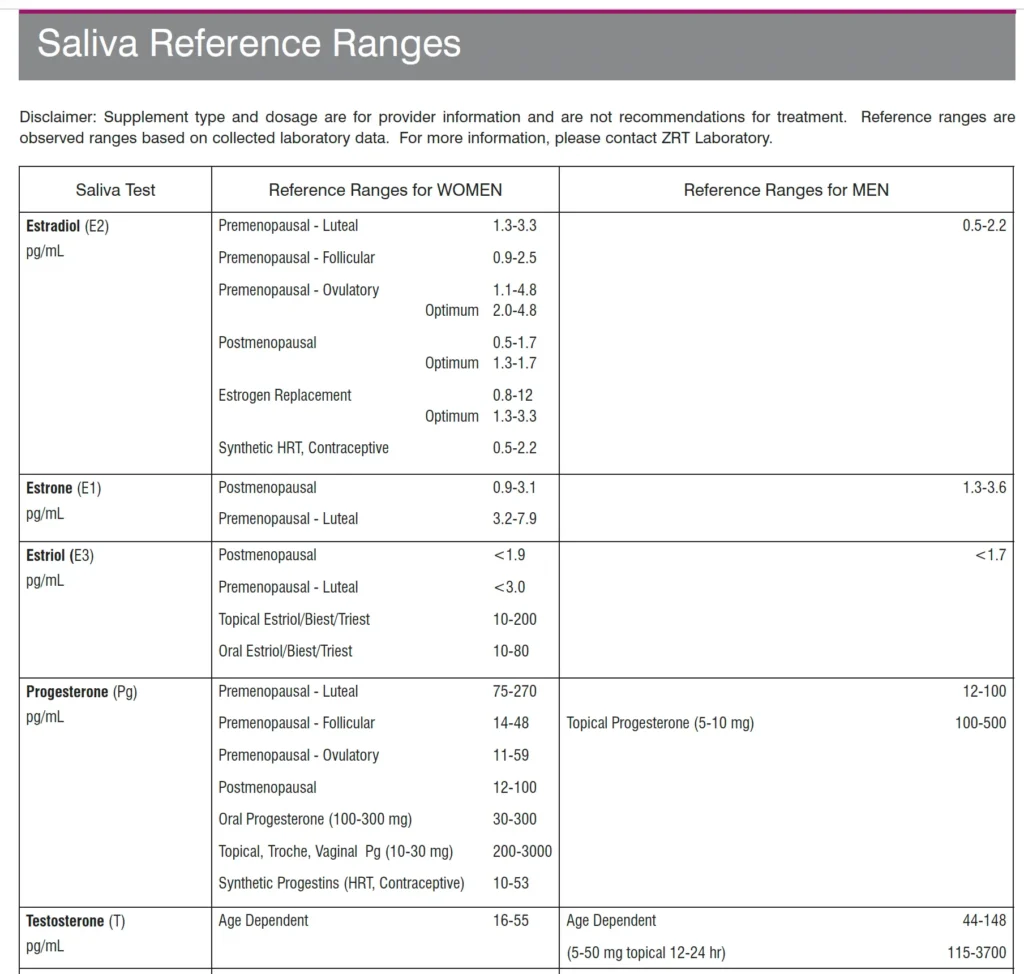
Saliva testing measures bioavailable hormones, which are the active form that can move into body tissues. This non-invasive method is ideal for tracking “free” hormone levels and is particularly useful for monitoring hormone replacement therapies (oral, topical, vaginal, or pellets) and assessing diurnal cortisol patterns for adrenal stress. However, it is not recommended for patients with dry mouth or those using sublingual hormone replacement.
Dried blood spot testing is excellent for assessing both free and protein-bound hormone levels in your body. It provides results equivalent to serum testing but has the added benefits of being more convenient and suitable for patients who may struggle with saliva collection. This method is great for monitoring hormone replacement (oral, sublingual, pellet), as well as for assessing thyroid health, fertility, and other critical health markers like insulin and blood lipids. It is particularly advantageous for tracking topical or vaginal hormone supplementation.
Dried urine testing offers a patient-friendly, discreet alternative to all-day urine collection. This method helps measure hormone metabolites, such as for breast cancer risk assessment or diurnal cortisol production, and it is also used for evaluating elements like iodine, selenium, and toxic metals (e.g., arsenic and cadmium). It’s perfect for assessing adrenal and sex steroid hormone metabolism in a simple, cost-effective way. However, it is not suitable for tracking topical or intravaginal hormone replacement.Each method has its strengths, and we work with you to choose the best option based on your needs and health goals.
Saliva testing is a non-invasive collection method where patients collect their saliva in plastic tubes in order to measure hormones like cortisol, estrogens, progesterone, and androgens. This non-invasive saliva collection is ideal for patients because it allows them to collect their sample in the privacy of their home or office.
Steroid hormones in the bloodstream are 95-99% bound to carrier proteins, and in this form are unavailable to target tissues. Saliva testing measures the amount of hormone available to target tissues – the bioavailable amount. For this reason, saliva testing better relates to specific symptoms of excess or deficiency, and is a good option for monitoring hormone therapy.
Some analytes cannot be tested using immunoassays, the methodology used for most of our saliva testing. For that reason, our lab developed LC-MS Saliva Steroid Profiles using liquid chromatography/tandem mass spectrometry (LC-MS/MS). These profile tests a broad range of bioavailable hormones and hormone metabolites in one convenient saliva sample collection. LC-MS testing allows for accurate reporting of estrogens down to extremely low levels, such as those seen in men, children, and people using aromatase inhibitors, and includes a test for ethinyl estradiol, 3 hormone blockers, and melatonin.
First thing in the morning is the best time to test.
Women who:Do not have menstrual cyclescan collect any day. This would include women with hysterectomy, amenorrhea (abnormal absence of menses in women of reproductive age) and/or uterine/endometrial alblation (destruction of the uterine lining).Have ‘normal’ menstrual cyclesshould collect day 19, 20 or 21 (counting the 1st day of bleeding as day 1)Have irregular, unpredictable menstrual cyclescan collect any day they are not bleeding.Have some kind of cycle regularity but not at the typical lengths should follow these guidelines for collection: Long cycles – test at day 19-21 or from day 19 to 5 days prior to when the period is expected. For example, if the cycle is 35 days, collection can be done anytime between day 19 to day 30. Short cycles – collection should be done a couple of days prior to when bleeding starts. For example, someone with 14 day cycles should collect on day 12.
Do NOT stop current hormone therapy prior to collection. Continue to use hormones daily as usual and follow the guidelines below for optimal timing of collection.
Hormone type sample collection guidelines: Pills, Gels, Creams, Sprays, oral, (topical* do not apply to face or neck), vaginal: 12-24 hours AFTER last dose
Sublinguals and Troches (dissolve under tongue): Saliva testing is not appropriate for sublingual hormone users because of direct contamination. Or you need to wait at least 48 hours. Blood spot testing is the preferred option for these patients (just reach out to info@hormonebliss.com if you need a blood spot kit- we will replace at no extra charge).Patches: 1-2 days after applying patchInjections/Pellets: Midpoint between injection/pellet insertsThe following also qualify as hormones (not limited to): Birth control, melatonin, hydrocortisone, steroid injections, flonase, prednisone, creams containing pregnenolone, placental derivatives or stem cells. If using any of these, collect as above.If you collect outside the recommended time frame above, this may result in hormone levels lower or higher than our lab reference ranges for hormone users.Topical hormones, please note: Do NOT use bare hands for topical hormone application for at least two days prior to saliva collection (apply hormones using latex gloves or preferably hormone-loaded syringe or applicator). Do not apply hormones to face or neck. Apply hormones to areas of the body that can be covered by clothing to avoid transfer of hormones from fingers to face, lips, or mouth. Wash hands thoroughly with soap and water after each application of hormones and dry with clean towel. False-high saliva results can result when hormones from contaminated surfaces (faucets, counters, door knobs) or towels are transferred inadvertently from fingers/hands and then to face, lips, or mouth.
Click to expand:
Holistic Health Hormone Coach visits allows us to uncover the root cause of imbalance, create personalized plans for nutritional lifestyle, and hormone support, in order to guide you toward lasting results
Full Access to our Online Hormone Bliss Course, with self-paced video lessons, downloadable wellness guides, and progress logs. All created by Dr. Tammy to walk you step-by-step through your hormone and wellness journey.
Access to our Private Member Portal, which provides you with resources, updates, labs, protocols and our support team. Additionally, one monthly 30-minute coaching session with your Hormone Success Coach is included.
Includes a Monthly Tribe Group Zoom call with Dr. Tammy for a place to feel heard, get support, ask questions and know that you are not alone.
All Bioidentical Hormone Creams are included and shipped to your door as needed. Most creams last up to 60-90 days, depending on your personalized protocol.
Generally shipments will take anywhere from 2 to 7 business days to be processed and shipped, and delivered. Sometimes supply chain and logistics issues can cause a delay, but you should have received an email after your order with an expected arrival date and tracking information. We suggest checking the spam folder of your email inbox in case it went there.If you are still having trouble finding this information, please email us at info@hormonebliss.com so that we can help you.
You may review our current policy for returns, refunds and cancellations here.
You’ve read the common questions, but your health is personal. Take the next step by connecting with our experienced team. We’re here to provide the detailed, confidential information you need to make an informed decision about HRT.