
About 12 years ago, I had the privilege of meeting Suzanne Somers when we both spoke at an A4M medical conference.
Most people knew Suzanne as an actress, author, and television personality. I met a woman who was warm, thoughtful, intelligent, and deeply interested in health. Her personality was every bit as beautiful in person as the public imagined.
Suzanne was not a physician, but she did something important for women’s health. She asked questions that many women were afraid to ask.
Why are women expected to accept exhaustion, poor sleep, hot flashes, brain fog, vaginal dryness, weight changes, and loss of sexual desire as a normal part of aging? Why were so many women told that their symptoms were simply something they had to endure?
Suzanne refused to accept that answer.
Long before hormone health became a common topic on social media, Suzanne was openly talking about menopause, aging, sexual health, and bioidentical hormones.
That took courage.
At the time, women were often given very limited information about menopause. Many were offered an antidepressant, told their test results were “normal,” or sent home without a real plan.
Suzanne encouraged women to learn about their bodies, ask better questions, and take an active role in their medical care. She helped bring private conversations into the public eye.
Her books and interviews were sometimes controversial. Not every statement she made was accepted by conventional medicine. However, she started conversations that needed to happen.
Today, we know that hormone therapy can be an effective treatment for hot flashes, night sweats, vaginal symptoms, and other concerns for appropriately selected women. Treatment should be based on a woman’s symptoms, health history, age, risks, and personal goals. The Menopause Society provides current patient information about these benefits and risks.
Suzanne was diagnosed with breast cancer in 2000. She later experienced a recurrence and died in 2023 at age 76.
Some people use her death as a reason to dismiss everything she said about hormone health. That is neither fair nor medically sound.
Her experience does not prove that hormones caused her cancer. It also does not prove that hormones treated her cancer, prolonged her life, or strengthened her immune system. We cannot make those conclusions from one person’s story.
What we can say is that Suzanne believed strongly in learning about her health and making informed decisions. She sought care, asked questions, and remained involved in her treatment. She also placed value on how she felt and how she lived, not only on the number of years she lived.
Quality of life matters.
Feeling rested matters. Mental clarity matters. Intimacy matters. Bone, brain, heart, and vaginal health matter. Women deserve honest information about all of these concerns.
Hormone decisions after breast cancer require special caution. Systemic hormone therapy is generally not recommended for many breast cancer survivors unless the decision is made with the patient’s oncology and menopause specialists. The details depend on the type of cancer, its hormone-receptor status, symptoms, and the woman’s individual risks. The American Cancer Society explains the relationship between menopausal hormone therapy and breast cancer risk.
Suzanne Somers did not have to be right about every medical detail to make a lasting difference.
Her greatest contribution was helping women realize that they had choices. She encouraged women to stop suffering silently and to become active participants in their care.
That is how I choose to remember her.
I remember the intelligent, kind, vibrant woman I met at A4M. I remember someone who cared deeply about women’s health and was willing to speak when the subject was still considered uncomfortable.
Suzanne Somers was a pioneer in the public conversation about hormone health. She helped open a door that many physicians, researchers, and women continue to walk through today.
Her life should not be reduced to the disease that eventually took it. Her legacy includes the millions of women who began asking questions because she spoke openly.
She reminded women that aging does not mean becoming invisible. It does not mean giving up sexuality, energy, confidence, or the desire to feel well.
Suzanne Somers is gone, but the conversation she helped begin is still very much alive.
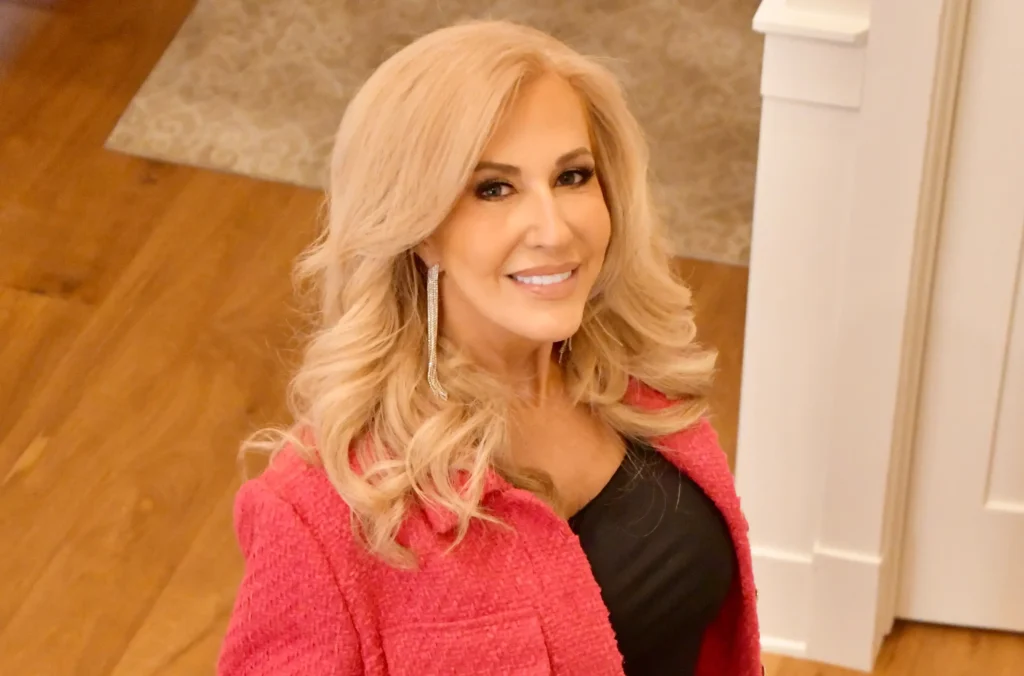
Dr. Tammy is a renowned expert in women’s health with over twenty years of experience, specializing in personalized bio-identical hormone replacement therapy (BHRT). She is dedicated to helping women navigate menopause using natural, individualized solutions to restore hormonal balance and enhance vitality. A trusted leader in the field, her compassionate care and innovative treatments have transformed countless lives.
Aging involves a natural decline in key hormones, which can affect your health in many ways. Reclaim your vitality by trying bioidentical HRT. It’s a way to address the noticeable symptoms—like mood swings, fatigue, and hot flashes—as well as the silent, long-term health concerns you might not recognize.