
Stiff mornings, aching hands, and knees that complain on the stairs are so common in midlife they have a name: the musculoskeletal syndrome of menopause. Here's what's happening and what helps.
Joint pain in menopause is driven largely by falling estrogen, which has anti-inflammatory effects and supports cartilage, tendons, and the fluid that lubricates joints. The result is morning stiffness, aching hands and knees, and tendon irritation — often without any injury. Strength training, weight management, anti-inflammatory nutrition, and clinical evaluation for arthritis are the core of relief.
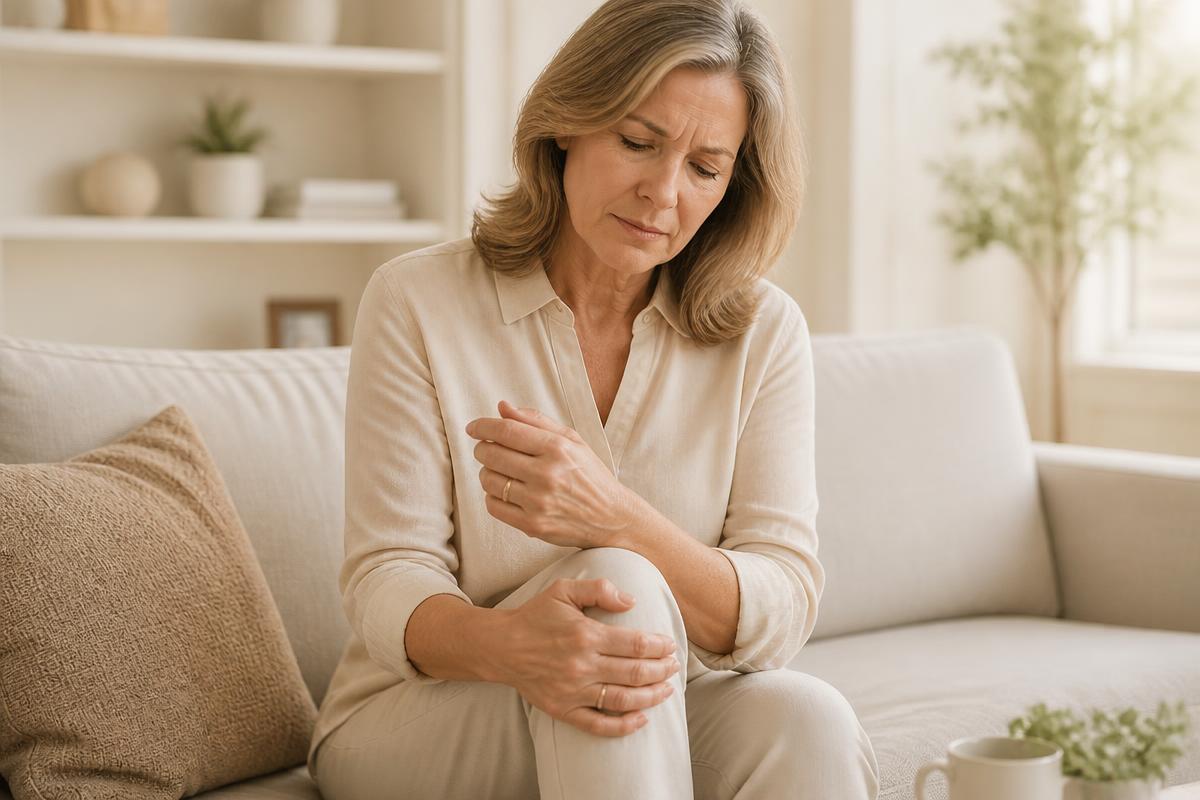
Women frequently describe waking up feeling like they aged a decade overnight. Hands stiff for the first half hour. Knees that object to stairs. A shoulder that hurts for no reason at all. It is one of the most dismissed midlife symptoms — and one of the most common.
- Estrogen has anti-inflammatory effects and supports cartilage, tendons, ligaments, and joint fluid.
- Stiffness that is worst in the morning and eases with movement is the classic menopause pattern.
- Frozen shoulder, trigger finger, and tendinopathy all rise in incidence during midlife.
- Resistance training is the single highest-yield intervention, not rest.
- Hot, swollen, red joints or symmetric small-joint swelling need prompt medical evaluation.
Why do joints hurt during menopause?
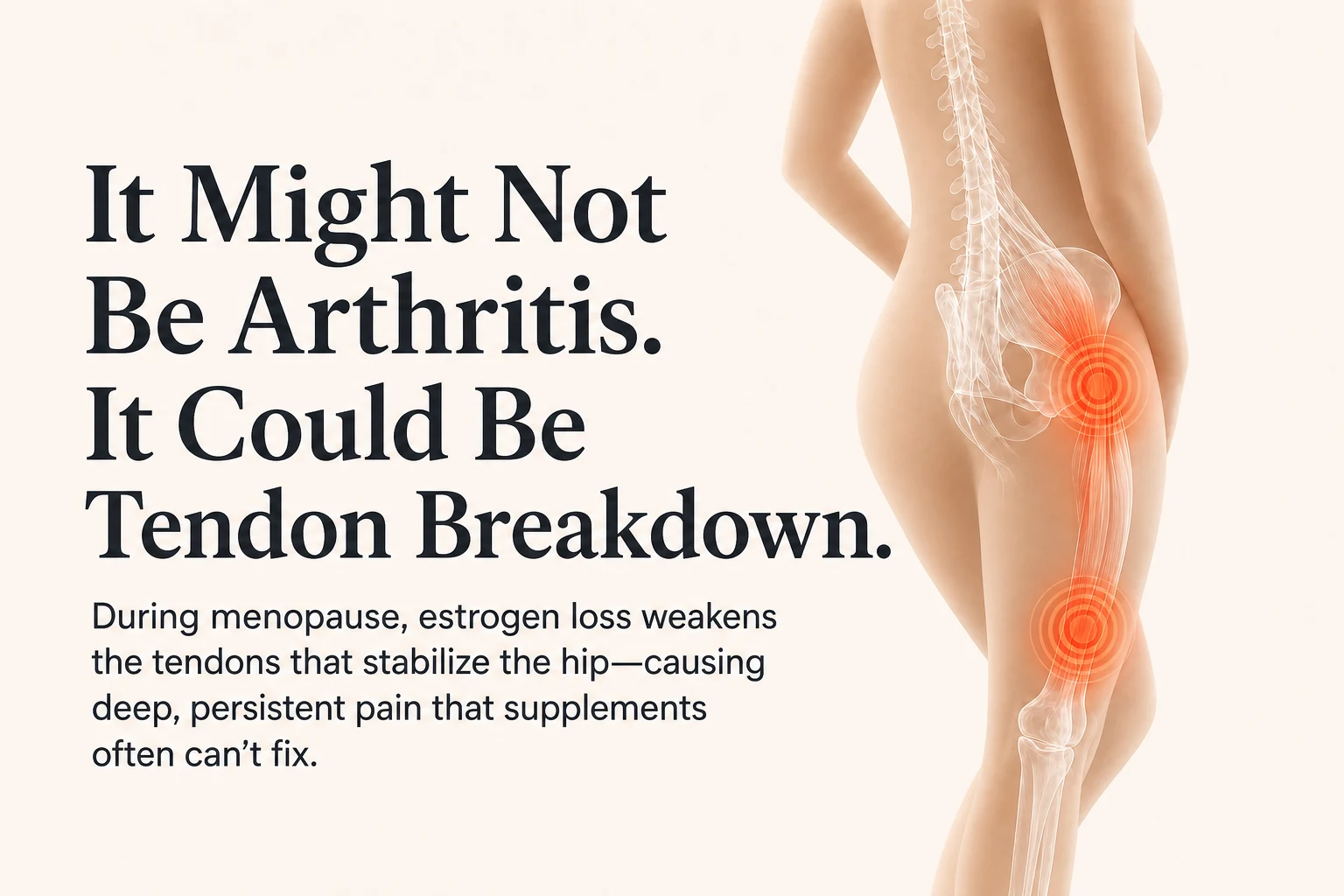
Estrogen receptors exist in cartilage, bone, synovial tissue, tendons, and muscle. Estrogen helps regulate inflammation, supports collagen in connective tissue, and contributes to the quality of the synovial fluid that cushions joints. When levels fall and fluctuate, inflammation rises and connective tissue becomes less resilient.
Muscle mass also declines with age unless actively defended, and weaker muscle means joints absorb more load directly. Add reduced sleep, changes in body composition, and lower activity levels during a demanding decade of life, and joints take the hit from several directions at once.
Clinicians increasingly use the term "musculoskeletal syndrome of menopause" to describe this cluster: arthralgia, loss of muscle mass, tendon problems, and accelerating bone loss appearing together during the transition.
Menopausal joint pain vs. inflammatory arthritis
| Feature | Menopause-related arthralgia | Inflammatory arthritis (e.g. RA) |
|---|---|---|
| Morning stiffness | Usually under 30 minutes | Often over an hour |
| Pattern | Migratory, variable, often asymmetric | Typically symmetric small joints |
| Swelling | Minimal or absent | Visible, warm, boggy swelling |
| Systemic signs | Usually none | Fatigue, low fever, weight loss possible |
| Course | Fluctuates with hormonal shifts | Progressive without treatment |
This table is orientation, not diagnosis. Rheumatoid arthritis and other inflammatory conditions also commonly first appear in midlife, and early treatment changes long-term outcomes. If your pattern looks like the right-hand column, ask for blood work.
What relieves menopause joint pain?
In order of impact
- 1
Lift weights two to three times weekly
Resistance training builds the muscle that protects joints, supports bone density, and reduces pain. This is the intervention with the strongest return, and it is the one most often skipped out of fear that exercise will worsen the pain.
- 2
Keep moving daily
Motion circulates synovial fluid. Long periods of sitting are what produce the worst stiffness. Short, frequent walks beat one heroic session.
- 3
Prioritize protein
Muscle protein synthesis becomes less efficient with age. Most women in midlife under-eat protein relative to what maintaining muscle requires — spread intake across meals rather than loading it at dinner.
- 4
Address body composition realistically
Every pound of body weight multiplies through the knee joint during walking. Modest, sustainable changes in body composition meaningfully reduce knee load.
- 5
Eat for lower inflammation
Omega-3 fats, colorful plants, olive oil, and adequate fiber; less ultra-processed food and alcohol. Effects are real but gradual — think months.
- 6
Check vitamin D and bone health
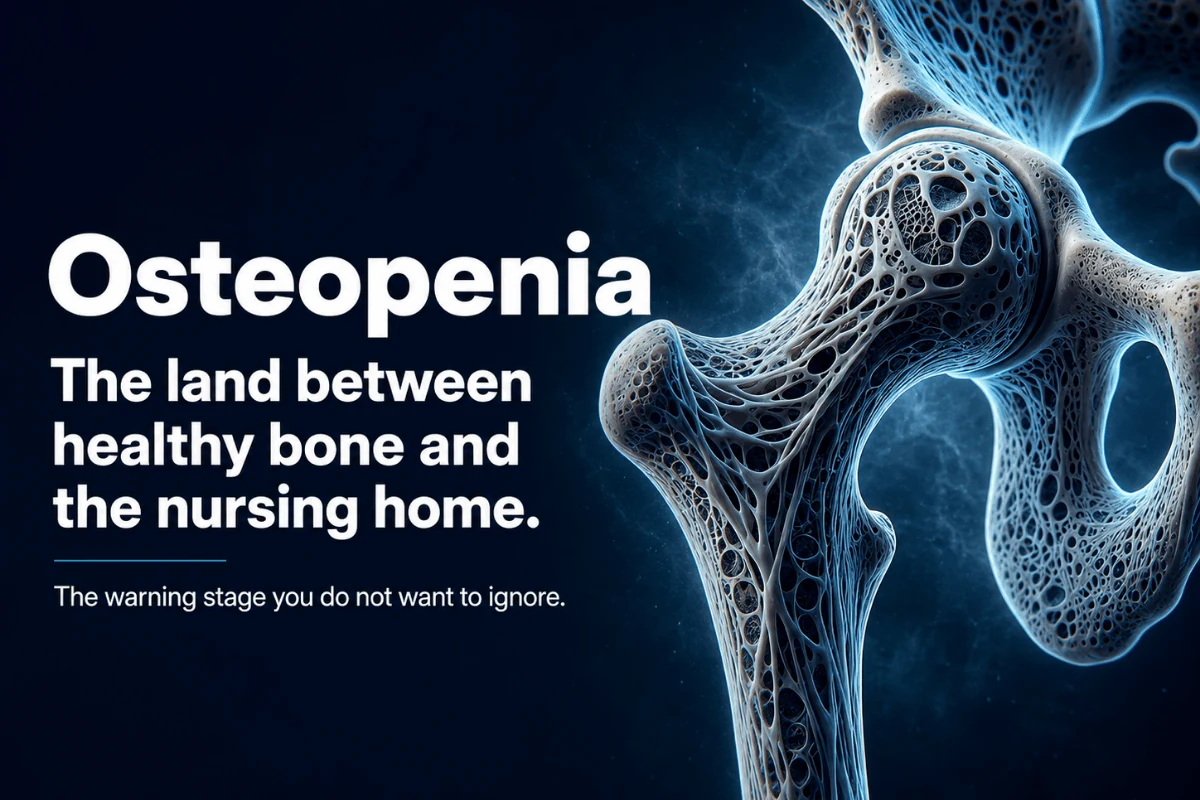
Vitamin D status affects muscle function and bone. Ask about a DEXA scan timeline, since bone loss accelerates in the years around menopause and is silent until a fracture.
- 7
Use targeted symptom relief
Topical NSAIDs, heat before activity, ice after, and physical therapy for a specific joint. Discuss oral anti-inflammatories with a clinician, especially with cardiovascular, kidney, or gastrointestinal history.
Adhesive capsulitis — a shoulder that progressively loses range of motion — has a striking peak in women between 40 and 60. If your shoulder is stiffening rather than just aching, get it assessed early. Treatment is far more effective before the joint fully restricts.
Do hormones help joint pain?
Some women report meaningful improvement in joint aching on hormone therapy, and the timing relationship between estrogen loss and arthralgia is well recognized. Evidence for hormone therapy as a dedicated treatment for joint pain, however, remains mixed, and it is not prescribed for that indication alone. It is a clinical decision made with a licensed prescriber who knows your history.
Hormone Bliss creams are non-prescription bioidentical hormone support products used as part of a self-directed wellness routine. They are not prescription therapy, are not evaluated for you by a physician, and are not a treatment for arthritis or any joint disease.
When to get medical attention
- A hot, red, swollen joint — this can indicate infection and is urgent
- Morning stiffness lasting more than an hour
- Symmetric swelling in the small joints of the hands or feet
- Joint pain with fever, rash, or unexplained weight loss
- A joint that locks, gives way, or cannot bear weight
- Any fracture from a minor fall, which warrants bone density assessment
Common questions
Bliss Membership pairs education and hormone health coaching with a structured plan for tracking how you feel over time.
Medical Disclaimer: This article is educational and is not medical advice, diagnosis, or treatment. Hormone Bliss creams are non-prescription retail products. Talk with a licensed clinician about your own symptoms, history, and medications before making changes.