Perimenopause is finally getting mainstream attention. That sounds like progress, but let’s be honest—the system is still behind. Major media outlets are talking about it. Doctors are admitting gaps in training. Women are sharing symptoms that were ignored…
Perimenopause is finally getting mainstream attention . That sounds like progress, but let’s be honest—the system is still behind.
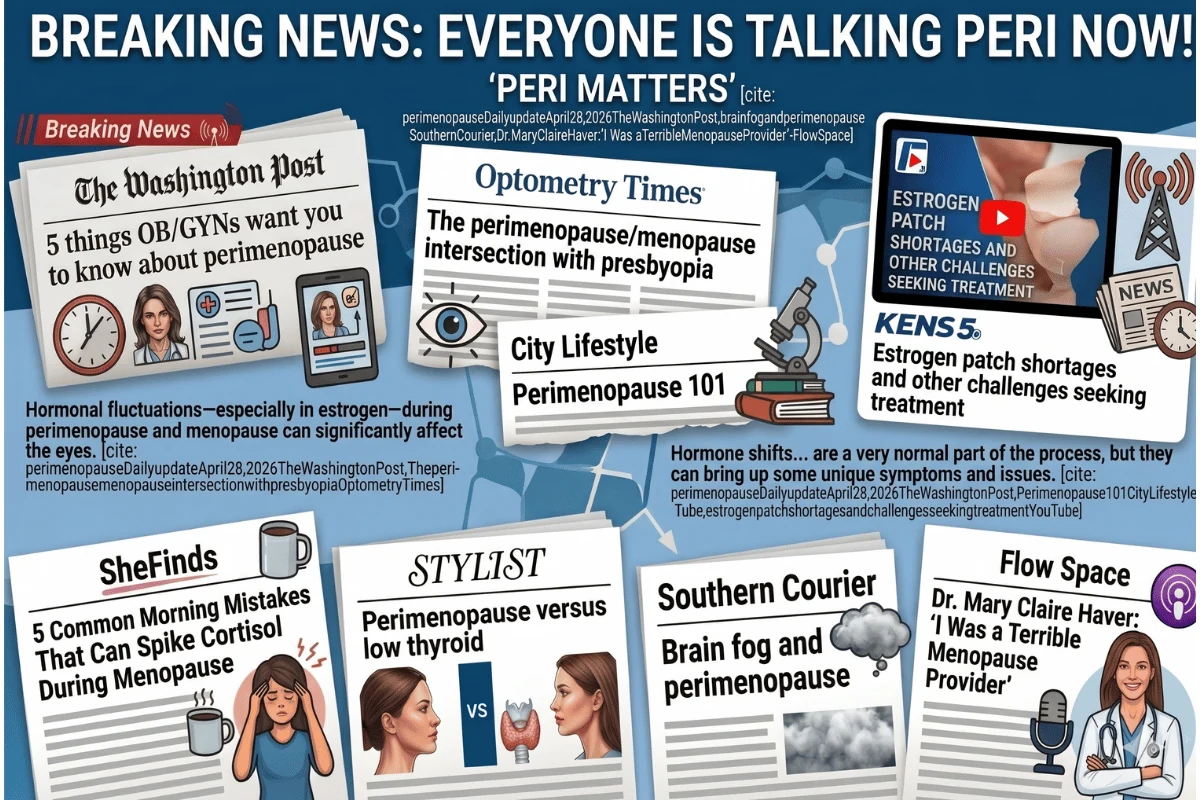
Major media outlets are talking about it. Doctors are admitting gaps in training. Women are sharing symptoms that were ignored for years. But here’s the problem: awareness alone doesn’t solve anything.
Women are still walking into appointments with real symptoms and leaving with labels like anxiety, depression, burnout, or “normal labs.” Meanwhile, the real driver— hormonal fluctuation —is often missed.
Perimenopause is not a straight line. It’s a chaotic transition .
Estrogen doesn’t just drop. It spikes and crashes . Progesterone declines early . Testosterone shifts.
And because hormones affect the brain, metabolism, and nervous system, symptoms show up everywhere.
That’s why you see:
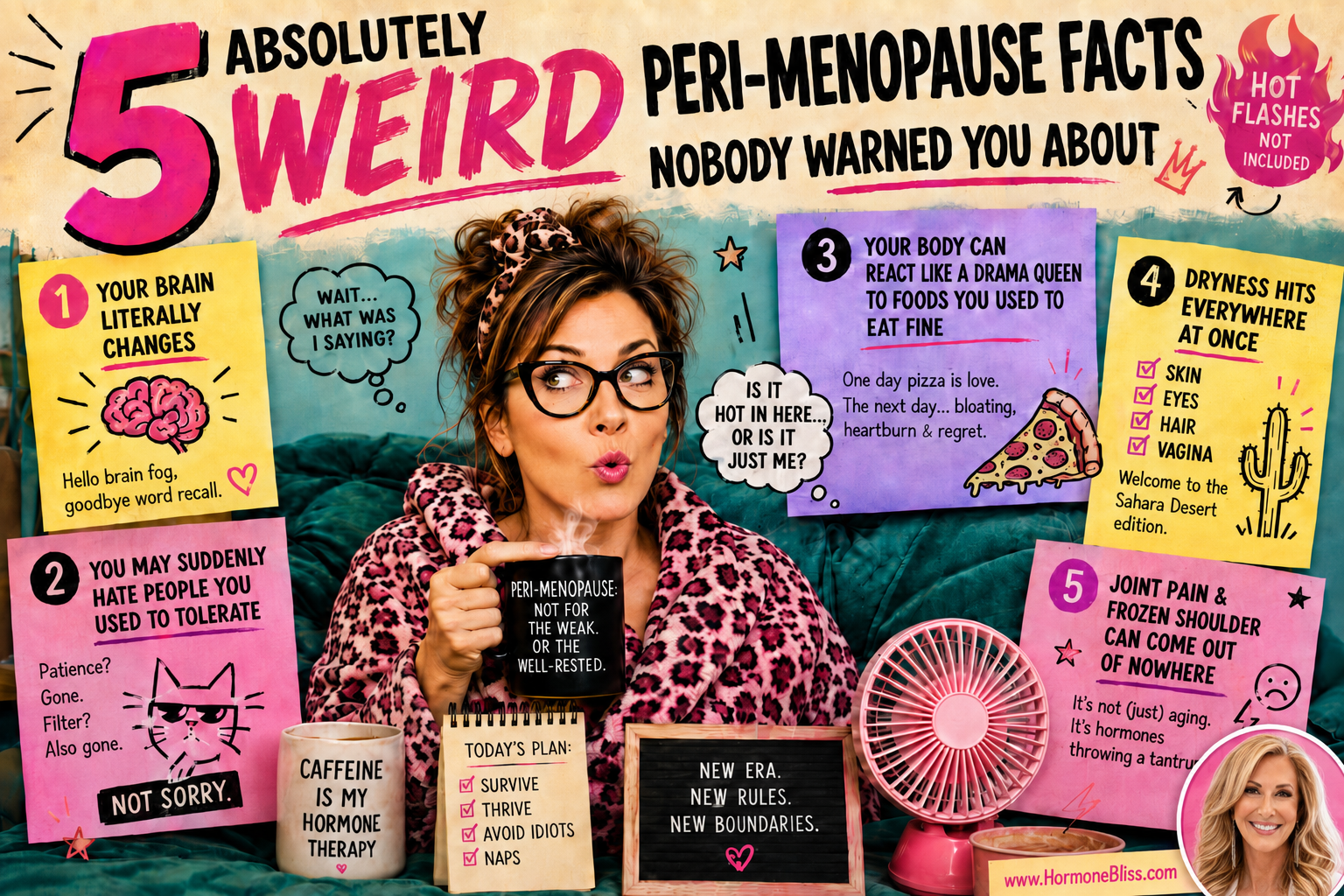
Sleep problems. Mood swings. Brain fog. Weight gain. Fatigue. Low libido.
These are not random issues. They are connected.
This is where things go wrong.
The system treats symptoms one at a time instead of recognizing the pattern. Anxiety gets treated as anxiety. Fatigue gets dismissed. Weight gain becomes a diet lecture.
But no one is asking the real question: what changed?
Another major issue is age bias.
Women in their late 30s and early 40s are still told they’re “too young.” That’s outdated thinking. Hormonal decline can start in your mid-30s.
Then there’s the lab problem.
Hormones fluctuate daily. A single test is just a snapshot. So when you’re told everything is “normal,” it often means the test missed the pattern—not that nothing is wrong.
This is why so many women feel dismissed.
And it’s why education matters.
Because once you understand the pattern, everything clicks.
Your symptoms are not random. They are signals.
Now let’s talk about what actually helps.
Understanding perimenopause is step one. Having a plan is step two.
At Hormone Bliss, the focus is simple: connect the dots and treat the root cause.
That means looking at your full picture—symptoms, history, patterns—not just a lab value.
From there, we build a personalized plan that evolves with your body.
For many women, that includes bioidentical hormone support , often delivered topically for a different absorption pathway than oral options.
But the real difference is ongoing support .
Because your body will change. And your plan should change with it.
What you’re seeing in the news right now is validation.
Women were right. The symptoms are real. The system missed it.
But validation is not the finish line.
Action is.
If your sleep is off, your mood has changed, your energy is low, or your body feels different—there is a reason.
And you don’t have to keep guessing.
If you’re ready to understand what’s actually happening and get a plan that makes sense for your body:
https://hormoneblissmembership.com