
Waking up at 3 AM is not just stress or aging. Learn why perimenopause disrupts your sleep and 3 simple steps you can take tonight.
Waking up at 3 AM is not just stress or aging. Learn why perimenopause disrupts your sleep and 3 simple steps you can take tonight.
What's covered
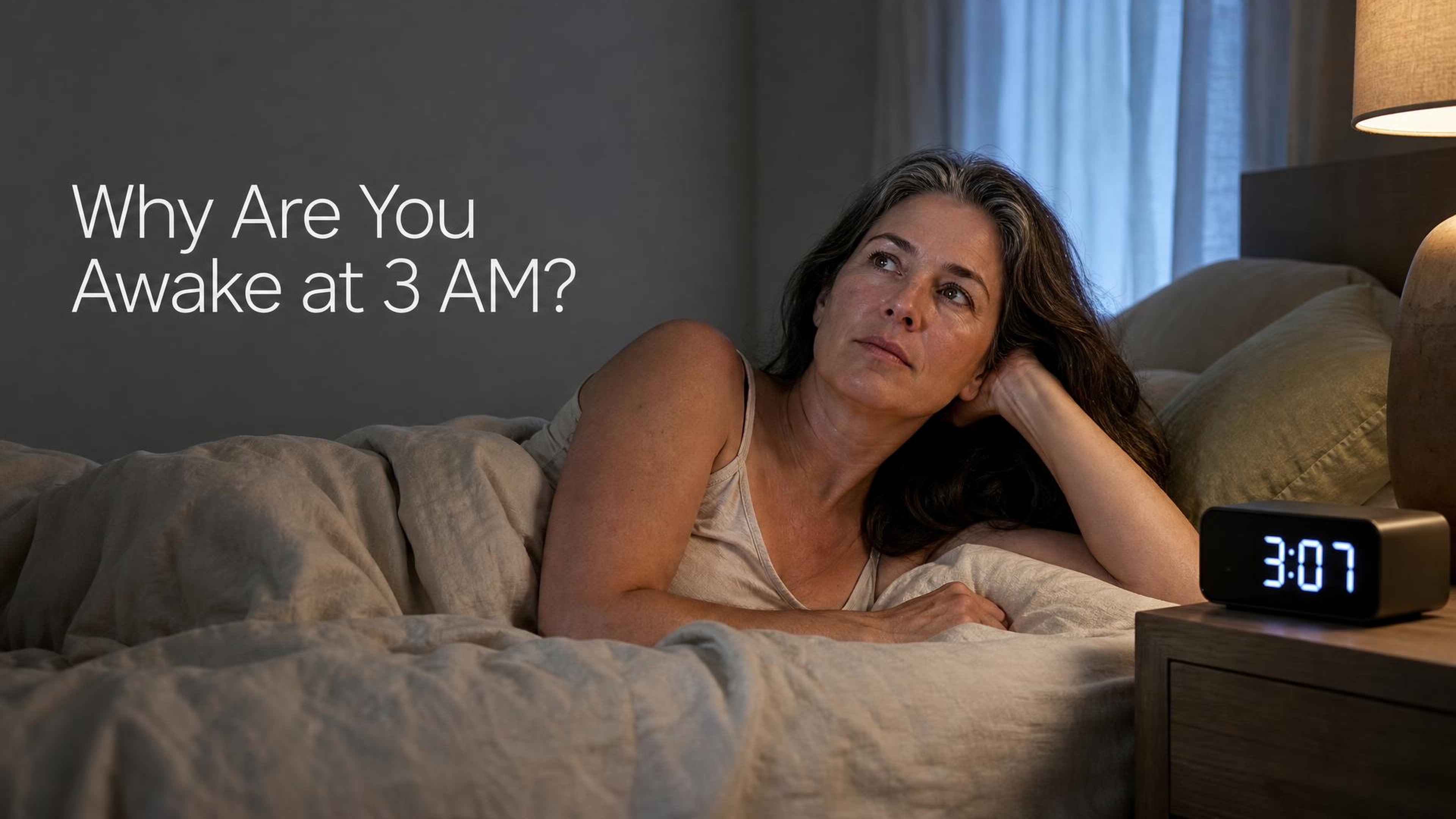
Your eyes snap open. You look at the clock. It says 3:07 AM again.
Your doctor may tell you it is just stress. Or they say it is just getting older. That is not an answer. That is a shrug.
Midlife sleep problems are real. Shifting hormones change how your body rests. You do not have to just live with it.
- Dropping progesterone and changing estrogen levels can wake you up in the night.
- Night sweats and body heat spikes often pull you out of deep sleep before you notice them.
- Simple changes to your bedroom temperature, light, and nighttime routine can help tonight.
- Testing your hormone levels gives you clear facts instead of guesswork.
Why 3 AM Wake-Ups Happen in Perimenopause
During perimenopause, your hormone levels go up and down like a roller coaster. Two main hormones affect your sleep: estrogen and progesterone.
Progesterone helps calm your brain. It acts like a natural brake pedal for stress. When progesterone drops, you may wake up easily and find it hard to drift back to sleep.
Estrogen helps control your body thermostat. When estrogen dips, your brain thinks you are overheating. It sends out a rush of heat, known as a night sweat. Even mild heat spikes can jerk you awake at 3 AM.
Step 1: Cool Down Your Sleep Space
Your body needs to cool down by about two degrees to fall into deep sleep. Hormone shifts make your brain overreact to tiny temperature changes.
Set your bedroom thermostat between 65 and 68 degrees Fahrenheit. Use light layers of breathable cotton or linen bedding instead of heavy synthetic blankets.
Keep an ice pack or a cool cloth on your nightstand. If you wake up warm, place it on your chest or neck right away to reset your inner thermostat.
Step 2: Block Out Middle-of-the-Night Light
When you wake up at 3 AM, do not grab your phone. The blue light from screens tells your brain that the sun is rising. This stops your body from making melatonin.
Keep your room as dark as possible. Use blackout curtains or wear a soft eye mask.
If you need to use the bathroom, use a dim amber nightlight. Bright overhead bathroom lights turn your brain fully on and make falling back asleep much harder.
Step 3: Track Your Wake-Ups for Seven Days
Do not leave your sleep to memory. Keep a small notebook by your bed.
Write down the time you woke up, if you felt hot, and where you were in your cycle. Notice if you drank alcohol or ate sugar late in the evening.
Seeing patterns takes the mystery out of your sleep troubles. It gives you clear clues about what triggers your 3 AM wake-ups.
What These Steps Cannot Fix on Their Own
Cool sheets and dark rooms help calm your body. But good habits cannot change your underlying hormone levels.
If low progesterone or sharp estrogen drops are the root cause, sleep hygiene is only one piece of the puzzle.
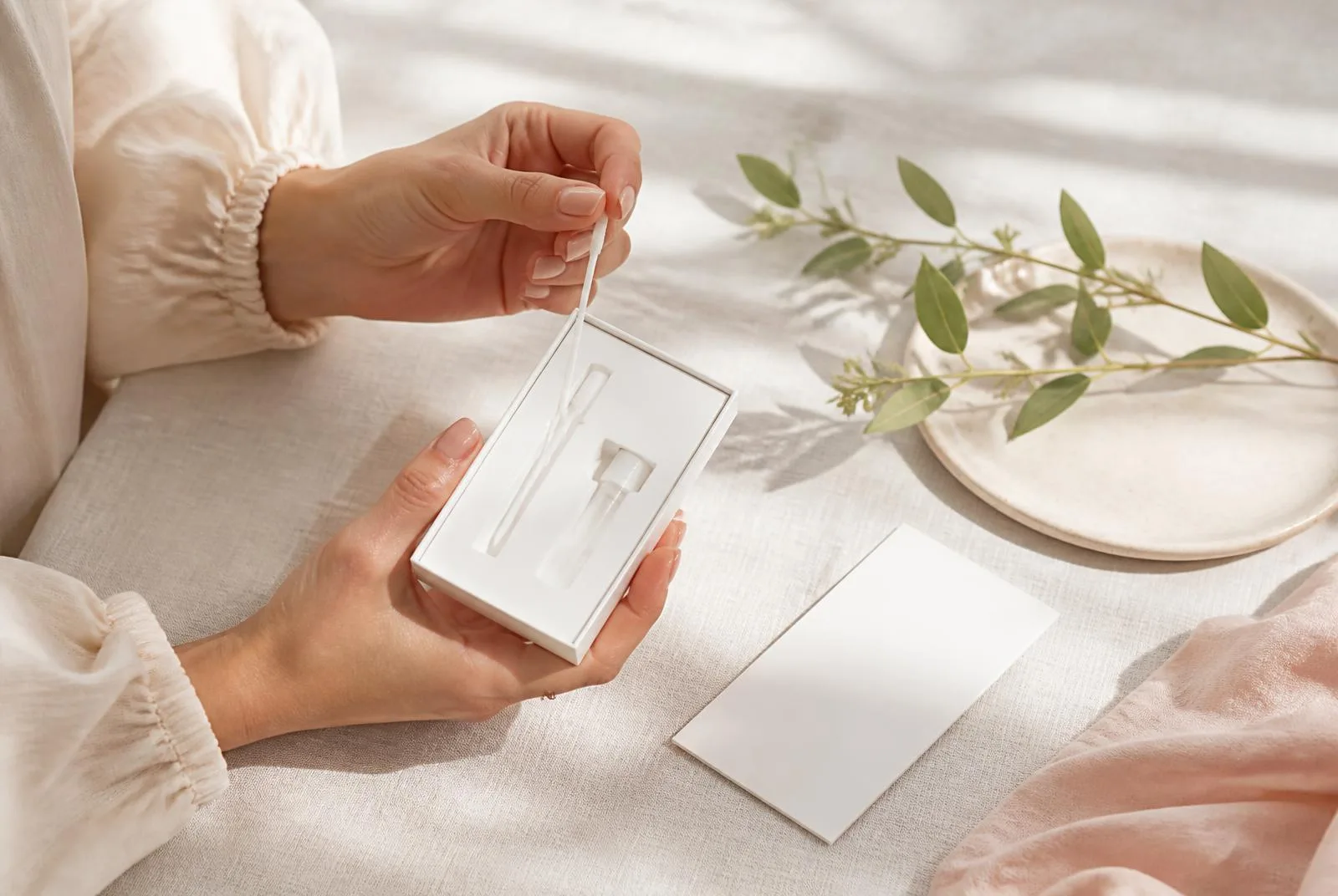
When you want to know what your hormones are doing, testing gives you real numbers. You can explore at-home lab testing to get clear answers about your body.
Questions to bring to your clinician
- Could my 3 AM wake-ups be related to perimenopausal hormone changes?
- Would checking my hormone levels help explain my sleep problems?
- Are my night sweats fragmenting my sleep before I even feel hot?
- What non-drug options or hormone therapies are safe and right for my symptoms?
Quick answers
Medical Disclaimer: A quick, honest note: this article is here to teach, not to treat. It isn't medical advice, it can't diagnose anything, and it's no substitute for a real conversation with a clinician who knows your history — especially before you start, stop, or change any hormone product. You deserve care that listens; use this to ask sharper questions.