
Understanding TB-500
TB-500 is the synthetic fragment of a naturally occurring protein involved in cell movement and repair. It is frequently mentioned in the same breath as BPC-157 — but the two are studied for different parts of the healing process.
Educational information only — not medical advice, diagnosis or treatment. Prescription peptides require clinical evaluation.

What is TB-500?
TB-500 is a synthetic peptide based on an active region of thymosin beta-4, a protein found in nearly every human cell and present in high concentration in wound fluid and platelets.
Thymosin beta-4's best-understood job is binding actin — the protein filament that gives cells structure and allows them to move. Cell movement matters enormously in healing: repair cells have to travel to damaged tissue before they can do anything useful there.
Like BPC-157, TB-500 is not FDA-approved. It is prescribed as a compounded preparation, and the evidence base is largely preclinical.
What makes it different
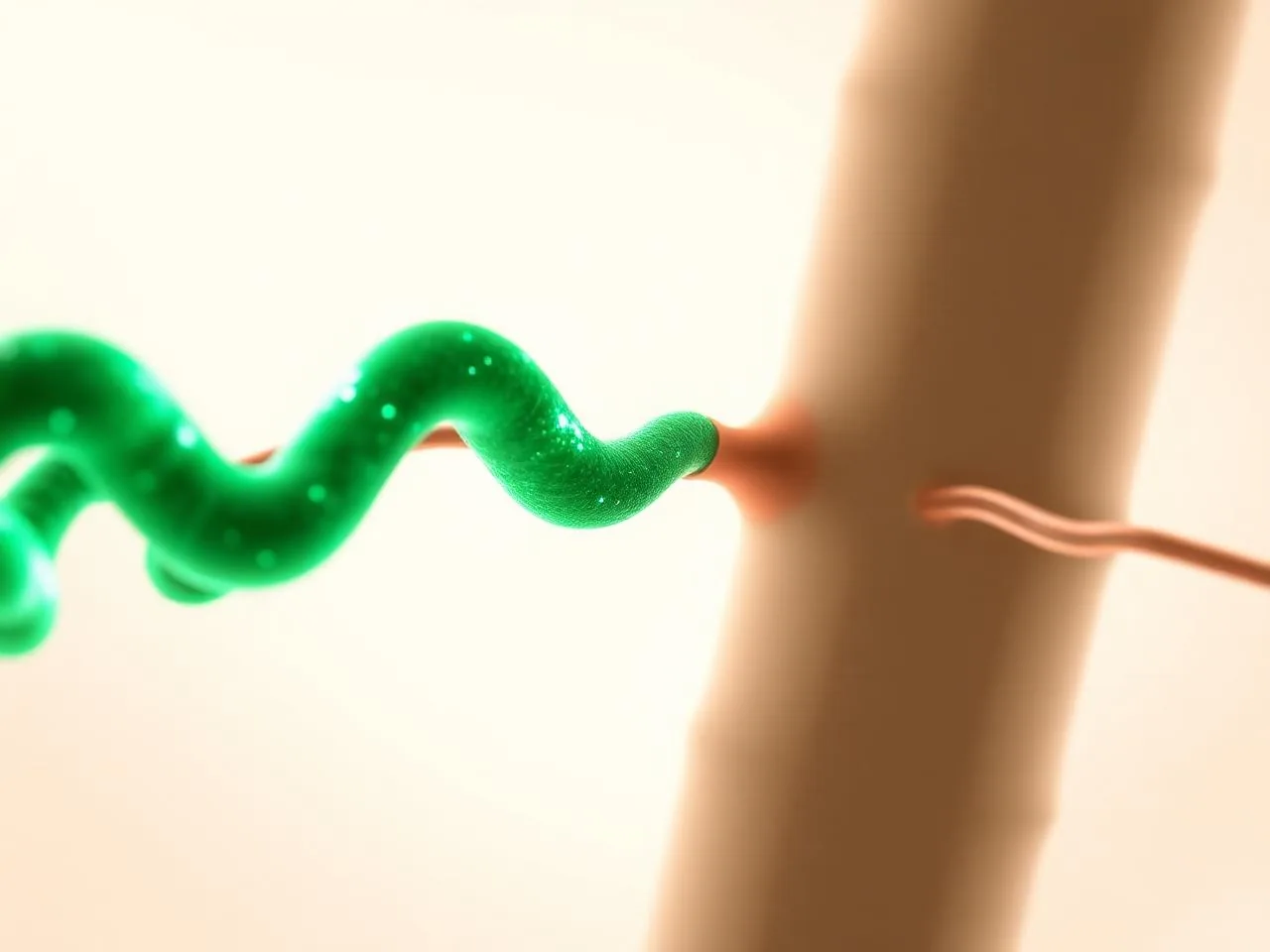
How TB-500 is thought to work
Step by step, in plain language — without overstating what has been demonstrated in people.
Actin binding
Thymosin beta-4 sequesters actin monomers, influencing how readily a cell can reorganize its internal scaffolding and move.
Cell migration
Improved mobility means endothelial cells, keratinocytes and stem-like repair cells can travel toward injured tissue more efficiently in laboratory models.
New blood-vessel formation
Angiogenesis is a recurring finding across studies — relevant anywhere circulation is the rate-limiting factor in healing.
Systemic rather than local
Unlike interventions injected at the site of an injury, TB-500 is generally described as acting body-wide, which is why it appears in protocols for diffuse or multi-site complaints.
Reviewed and time-limited
Any responsible use is a defined course with a clinical endpoint — not an open-ended regimen.
Potential benefits — and honest limits
These are areas of research interest, not promised outcomes. Individual response varies and depends heavily on what else is going on in your body.
Cell migration support
The core mechanism: helping repair cells reach the tissue that needs them.
Vascular signalling
Studied for new capillary formation, which underpins delivery of oxygen and nutrients to healing tissue.
Flexibility and movement
Frequently explored for stiffness and restricted range of motion accompanying older injuries.
Diffuse complaints
Because it acts systemically, it is discussed for multi-site rather than single-site issues.
Commonly stacked
Most often paired with BPC-157, which is studied at a different point in the repair sequence.
Honest limits
It does not regrow a torn structure, and it is no substitute for imaging when imaging is warranted.
Who explores TB-500
These are the goals and concerns people are usually working on when TB-500 comes up in consultation. Fit is a clinical decision, not a checklist.
- Older injuries that healed incompletely and still limit range of motion
- Recovery that feels globally slow rather than tied to one joint
- Adults maintaining a consistent rehabilitation routine who want structured clinical support
- People who prefer a defined protocol with review points over indefinite self-experimentation
When it isn't appropriate
What the evidence currently supports
Peptide research is genuinely early in most cases. We summarize it as it stands, gaps included — because you cannot make a good decision from marketing copy.
Strong preclinical signal
Human data is early
Prohibited in sport
Want the wider picture first? Read what peptide therapy is, browse the free guides and trackers, or keep reading on the blog.
Questions about TB-500
How Hormone Bliss approaches peptide therapy
Education first
You should understand what a molecule does — and what the evidence actually shows — before anyone prescribes it. That is why these pages exist and why they include the caveats.
Clinical review, always
Every request is reviewed by a licensed clinician against your history, medications and labs before anything is prescribed or shipped.
Individualized protocols
Dose, route and duration are chosen for you. We do not sell fixed stacks and we do not run protocols indefinitely.
Hormones come first
Peptides are rarely the missing piece on their own. If estrogen, progesterone, testosterone or thyroid are off, that is addressed first.
Coaching alongside
Sleep, protein, strength and stress determine most of your result. Coaching is part of the program, not an upsell.
Honest limits
If the evidence is thin, we say so. If a peptide is a poor fit for your goal, we will tell you that instead of selling it to you.
Where this can lead
Peptide Therapy
The program itself: physician review, an individualized protocol and coaching alongside it — not a vial in the mail.
Explore Peptide TherapyWhere this can lead
Bliss Membership
Bioidentical hormones with lab testing and ongoing guidance — usually the first thing to get right.
Explore Bliss MembershipReady to look at options? Browse the peptide menu and protocol builder, or book a complimentary consultation and talk it through first.
Find My Peptide MatchReady to explore a personalized protocol?
The Peptide Therapy program is where protocols are built — browse the menu, take Find My Match, and a licensed clinician reviews everything before it ships.