
Understanding body odor changes
A new or stronger scent that your usual deodorant no longer handles — sweat composition changes with hormones.
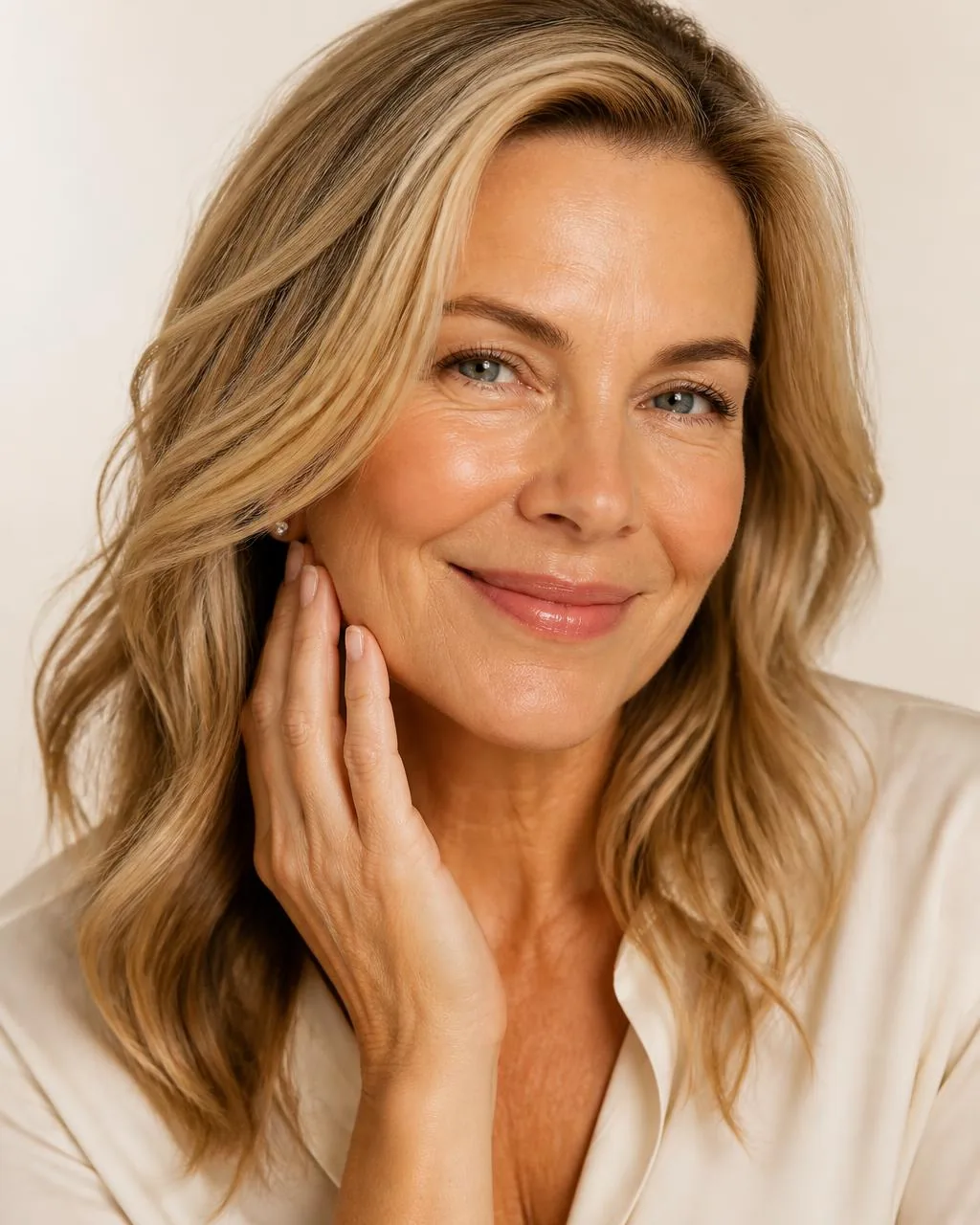
What body odor changes actually is.
Every symptom in the symptom library is written to answer one question: what is my body actually reporting?
Increased apocrine sweating during flashes and shifts in skin microbiome and sweat composition change how sweat smells, often noticed suddenly in perimenopause.
Quick answer
What causes body odor changes in menopause, and what helps?
Body odor changes in perimenopause and menopause can be associated with increased stress sweating, though other medical, psychiatric, medication, and lifestyle factors may also play a role. A new or stronger scent that your usual deodorant no longer handles — sweat composition changes with hormones. Things that may help include reducing flash frequency by balancing hormones and zinc-based or mineral deodorants and breathable fabrics — worth discussing with a clinician and guided by lab testing rather than assumed from symptoms alone.
What may be behind it.
Usually more than one factor is at work — hormonal change, sleep, stress physiology, nutrient status, medications, aging, and medical conditions can all contribute. Testing is what tells us which one is loudest for you.
Possible factor 1
Increased stress sweating
Hot flashes and adrenaline recruit apocrine glands, whose sweat feeds odor-producing bacteria.
Possible factor 2
Hormonal shift in skin microbiome
Falling estrogen changes skin pH and the bacteria that live there.
Possible factor 3
Blood-sugar and liver load
Poor glucose control and alcohol both alter body scent.
What's commonly evaluated.
These are the hormones most often reviewed when a woman reports body odor changes. Being on this list doesn't mean yours is out of range — it means it belongs in the conversation.
Estrogen
Far more than a reproductive hormone — estrogen influences the brain, bones, skin, blood vessels and the body's temperature control.
Learn More The rhythm and stress hormoneCortisol
Cortisol follows a daily curve — high in the morning, low at night. When the curve flattens or inverts, everything else follows.
Learn MorePrefer the full picture first? Explore every hormone guide.
What actually helps.
- Reducing flash frequency by balancing hormones
- Zinc-based or mineral deodorants and breathable fabrics
- Supporting liver and gut clearance with fiber and less alcohol
Often shows up alongside.
Hair thinning & loss
Widening part and less volume — falling estrogen leaves androgens relatively dominant at the follicle, often on top of low ferritin.
What's causing it Skin, hair & appearanceDry, crepey skin & new wrinkles
Skin often becomes drier and less elastic around menopause. Changing estrogen is one contributing factor, alongside sun exposure, genetics, and skincare habits.
What's causing it Skin, hair & appearanceItchy skin & crawling sensations
Itching, prickling, or a crawling sensation under the skin — an under-discussed effect of estrogen loss on skin and nerves.
What's causing itWhen in life this tends to appear.
The same symptom can mean something different depending on where you are. These guides explain each stage and pattern in plain language.
What the evidence supports.
Current understanding: skin, hair & appearance
Dermatologic research documents measurable declines in skin collagen and changes in hair growth cycling during and after the menopause transition. Thyroid disease, iron status, androgen levels, and genetics are all recognized contributors to hair changes, so guidelines recommend evaluation rather than assuming a single cause.
Summarized responsibly from the published literature on midlife hormonal health. Research describes populations; your labs and history describe you.
Education first, then a plan.
We don't treat symptoms in isolation. Understanding comes first, then a self-directed routine that you can adjust with your coach as you respond.
- 1
Understand what you're feeling
Pages like this one exist so you arrive informed rather than guessing — and so you know which questions to ask.
- 2
Test before treating
Lab work looks at hormones alongside thyroid, metabolic and nutrient markers, because symptoms overlap.
- 3
Coach support
A hormone health coach walks through your labs alongside your symptom picture and history — never a range in isolation.
- 4
Coaching and ongoing optimization
Sleep, nutrition, strength and stress are part of your routine, and it's refined with your coach as you respond.
Bliss Membership
A personalized non-prescription bioidentical cream routine and ongoing coaching in one program.
See If I QualifyGLP-1 weight loss
For women whose metabolic picture needs more than hormone optimization alone.
Explore GLP-1 CarePeptide therapy
Targeted peptides used alongside hormone care for recovery, sleep and body composition.
Explore Peptide TherapySupport that fits your labs.
Educational first — nothing here replaces testing and your own licensed healthcare professional's review.
Bioidentical hormone therapy
How bioidentical estradiol, progesterone, and testosterone are dosed to your own lab values.
Learn About BHRTFind my hormone cream
A few minutes of questions points you to the non-prescription cream routine that fits your symptoms.
Find My Hormone CreamPractitioner-grade support
Magnesium, methylated B vitamins, Vitamin D plus K, brain support, and metabolic formulas.
Visit the ShopBliss Membership
A non-prescription cream routine, personalized coaching, and ongoing support in one monthly program.
See If I QualifyAbout body odor changes.
Wondering if this is treatable for you? See if you qualify
Common questions women ask.
Search the questions we hear every day — in the words you'd actually use.
20 answers
Let's find out if it's your hormones.
Use the cream selector to turn this symptom into a pattern you can discuss with a hormone health coach or your own licensed healthcare professional — or see whether you're a fit for guided care.